
Author name: Arvind Kumar

Uncategorized

PPGI Coils: A Complete Guide to Pre-Painted Galvanized Steel for Roofing and Cladding

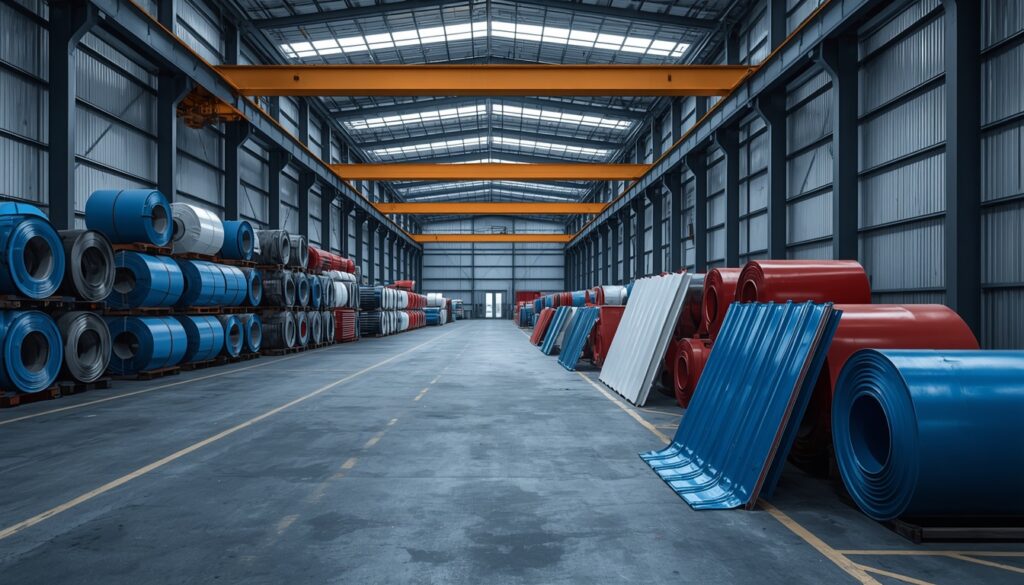
Modern construction projects require materials that provide more than structural performance. Building owners, contractors, architects, and developers increasingly look for materials that combine durability, corrosion resistance, attractive appearance, and low maintenance. This is one of the reasons PPGI coils have become widely used for roofing, wall cladding, warehouses, factories, commercial buildings, and prefabricated structures. PPGI stands for Pre-Painted Galvanized Iron, although the substrate is technically galvanized steel. It combines the protective properties of galvanized steel with a factory-applied organic coating that provides color, appearance, and additional surface protection. In this guide, we explain what PPGI coils are, how they are manufactured, their key specifications, applications, and what buyers should consider when purchasing PPGI. What Is PPGI? PPGI is galvanized steel that has been coated with paint or another organic coating in a controlled industrial process.The basic structure can be understood as: Steel Substrate → Zinc Coating → Pretreatment → Primer → Top Coat This multilayer system provides both corrosion protection and an attractive finished surface. Unlike conventional steel that is painted after fabrication or installation, PPGI is factory-coated under controlled conditions. This helps provide consistent coating quality and appearance across the coil. How Are PPGI Coils Manufactured? The production of PPGI generally involves several important stages. 1. Steel Substrate The process starts with a steel substrate, typically galvanized steel, which provides the basic strength and corrosion protection. 2. Surface Cleaning The surface is carefully cleaned to remove contaminants and prepare it for coating. 3. Chemical Pretreatment A pretreatment layer is applied to improve coating adhesion and provide additional protection. 4. Primer Application A primer is applied to create a strong foundation for the top coating system. 5. Top Coat Application The required color and coating system are applied to the steel surface. PPGI can be produced in a wide range of colors according to standard color systems and customer requirements. 6. Curing The coating passes through a controlled curing process to achieve the required finish and performance. 7. Inspection and Coiling The finished strip is inspected for surface quality, coating consistency, dimensions, and other agreed specifications before being recoiled for transportation or further processing. Why Is PPGI Popular in Construction? PPGI offers several advantages for modern building projects. 1. Attractive Appearance PPGI is available in a wide range of colors, allowing architects and developers to achieve different visual designs. 2. Corrosion Protection The galvanized substrate provides zinc-based corrosion protection, while the paint system provides an additional protective layer. 3. Low Maintenance A suitable PPGI coating system can reduce maintenance requirements compared with conventional painted steel applications. 4. Consistent Finish Because the coating is applied in a controlled manufacturing environment, PPGI provides a consistent appearance across large quantities of material. 5. Efficient Fabrication PPGI coils can be processed into roofing sheets, wall panels, profiles, flashing, and other building components. Where Are PPGI Coils Used? PPGI is particularly popular in applications where both performance and appearance are important. Roofing PPGI coils are widely processed into:Corrugated roofing sheetsTrapezoidal roofing sheetsStanding seam roofingIndustrial roofing profilesAgricultural roofingPrefabricated building roofs Wall Cladding PPGI is commonly used for exterior and interior wall cladding where a finished architectural appearance is required. Warehouses and Industrial Buildings Large warehouses, factories, logistics centers, and workshops frequently use color-coated steel for roofing and wall systems. Commercial Buildings PPGI can be used for shopping centers, offices, retail buildings, and other commercial structures. Prefabricated Buildings PPGI is commonly incorporated into prefabricated and modular construction systems because it can be efficiently roll-formed into different profiles. Sandwich Panels PPGI and similar coated steel products can be used as the outer skins of insulated sandwich panels. Important PPGI Specifications When purchasing PPGI coils, buyers should provide complete technical requirements. Thickness The required thickness depends on the intended application and profile design.A roofing manufacturer may require a different thickness from a wall cladding manufacturer or another fabrication application.Most used thickness is from 0.28 MM To 1.2 MM PPGI Coils Width Coil width should be selected according to the required finished product and roll-forming equipment. Most Common width:1000 MM PPGI Coil1220 MM PPGI Coil1250 MM PPGI Coil Zinc Coating The zinc coating of the galvanized substrate is an important factor in corrosion performance. Buyers should specify the required coating mass according to the applicable standard and project requirements. Paint Coating Thickness The paint system may consist of a primer and top coat, with coating thickness specified according to the product specification. The appropriate coating system depends on the application and environmental exposure. Steel Grade Steel grade should be selected according to the forming and fabrication requirements. For roll-formed roofing and cladding products, formability is particularly important. Color PPGI is available in a wide range of colors. For construction projects, buyers should clearly specify the required color reference to maintain consistency across different batches. PPGI for the UAE Climate Material selection is particularly important for construction projects in the UAE. High temperatures, humidity, dust, and exposure to coastal environments can place additional demands on building materials. When selecting PPGI for a UAE project, buyers should consider:Zinc coatingPaint coating systemSteel gradeCoating durabilityUV exposureEnvironmental conditionsExpected service lifeProject location There is no single PPGI specification suitable for every application. The material should be selected according to the actual project environment and performance requirements. How to Select the Right PPGI Coil Before requesting a quotation, prepare a clear technical specification. A typical enquiry should include: Thickness: Required steel thickness Width: Required coil width Zinc Coating: Required coating mass Paint Coating: Required coating system or thickness Steel Grade: Required grade and mechanical properties Color: Required color reference Quantity: Required tonnage Coil Dimensions: Inner diameter and other requirements where applicable Application: Roofing, cladding, roll forming, fabrication, etc. Delivery Location: Project or warehouse location Providing these details allows suppliers to prepare a more accurate quotation and helps prevent specification misunderstandings. Common Mistakes When Buying PPGI Choosing Only Based on Price The cheapest PPGI coil may not provide the required coating system or performance. Ignoring the Zinc Coating The galvanized substrate is an important part of the
Uncategorized

GI Coils — A Complete Guide for Construction & Industrial Buyers

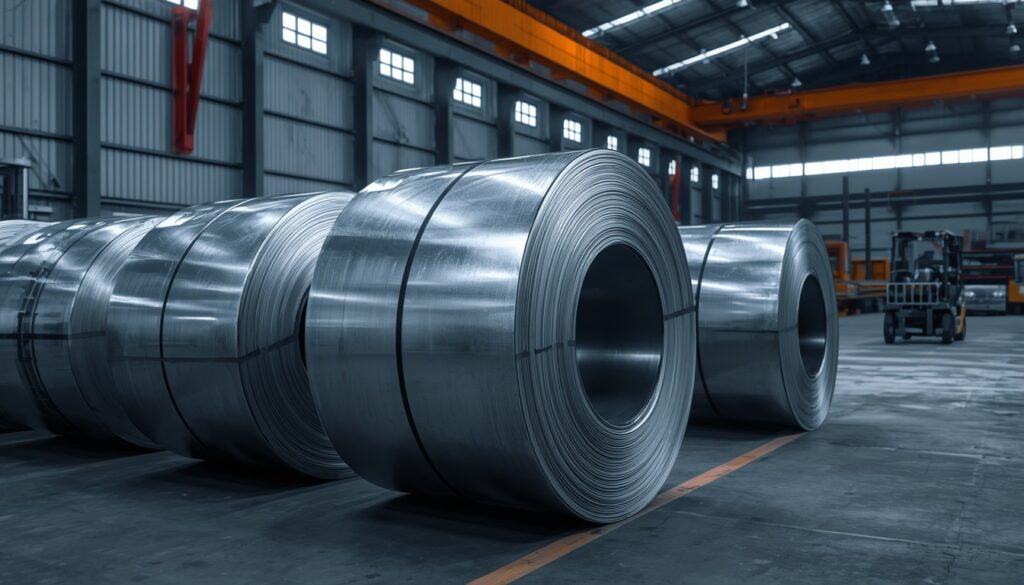
Galvanized steel is one of the most widely used coated steel materials in construction, manufacturing, roofing, fabrication, and industrial applications. Among galvanized products, GI coils are particularly popular because they combine the strength of steel with the corrosion protection provided by a zinc coating. For contractors, fabricators, procurement managers, and manufacturers, understanding GI coils is important when selecting the right material for a project. In this guide, we explain what GI coils are, how they are manufactured, what specifications matter, where they are used, and how to select the right GI coil for your application. What Is a GI Coil? GI stands for Galvanized Iron, although technically the product is galvanized steel. A GI coil is a steel coil coated with zinc to protect the underlying steel from corrosion. The zinc coating acts as a protective barrier between the steel surface and the surrounding environment. GI coils are commonly supplied in different:ThicknessesWidthsZinc coating weightsSteel gradesSurface finishesCoil weights The correct combination depends on the intended application. How Are GI Coils Manufactured? The most common manufacturing process for GI coils is hot-dip galvanizing. The basic process involves several stages: 1. Steel Coil Preparation The steel substrate is prepared and cleaned to remove oil, dirt, scale, and other surface contaminants. 2. Cleaning and Pickling The steel surface undergoes chemical cleaning and pickling to ensure proper adhesion of the zinc coating. 3. Annealing Depending on the production route and required mechanical properties, the steel may undergo annealing to achieve the desired strength and formability. 4. Hot-Dip Galvanizing The prepared steel strip passes through a bath of molten zinc. The zinc bonds with the steel surface and creates a protective coating. 5. Coating Control The zinc coating is controlled to achieve the required coating weight and uniformity. 6. Cooling and Finishing The galvanized strip is cooled and may undergo additional processes such as skin passing, tension leveling, trimming, or surface treatment. 7. Coiling Finally, the finished galvanized steel strip is wound into coils for transportation, storage, and further processing. Why Is Zinc Coating Important? The main purpose of galvanizing is to improve the steel’s resistance to corrosion. Zinc provides protection in two important ways. Barrier Protection The zinc coating creates a physical barrier between the steel substrate and moisture or other corrosive elements. Sacrificial Protection If the surface is scratched or damaged, zinc can provide sacrificial protection to exposed steel in many environments. This is one of the major reasons galvanized steel is widely used in construction and industrial applications. Important GI Coil Specifications When purchasing GI coils, price should not be the only consideration. Buyers should carefully evaluate the technical specifications. 1. Thickness GI coils are available in different thicknesses depending on the application.For example, thinner material may be suitable for certain roofing and fabrication applications, while thicker material may be required for heavier-duty applications.Always specify the required thickness clearly when requesting a quotation. 2. Width Coil width should match the requirements of the customer’s slitting, roll-forming, fabrication, or roofing operation.Common widths vary according to supplier capability and project requirements. 3. Zinc Coating Zinc coating is one of the most important specifications for galvanized steel.It may be specified as coating mass, typically expressed in g/m², and may be represented by designations such as Z80, Z120, Z180, Z275, or other values depending on the applicable standard.Higher coating mass generally provides greater zinc protection, but the appropriate coating should always be selected according to the intended environment and application. 4. Steel Grade Different applications require different mechanical properties.Depending on the project, buyers may require steel suitable for:General formingDeep drawingStructural applicationsRoofingRoll formingFabricationThe required grade should therefore be confirmed before purchasing. 5. Surface Finish GI coils can be supplied with different surface appearances depending on the manufacturing process and customer requirements.Surface quality becomes particularly important when the material will remain visible or receive additional coating or painting. Common Applications of GI Coils GI coils are used across many industries because of their combination of strength, durability, and corrosion resistance. Construction GI steel is widely used for:RoofingWall claddingDuctingCable traysBuilding componentsLight structural applicationsGeneral fabrication HVAC Galvanized steel is commonly used for HVAC ductwork and related components because of its durability and corrosion resistance. Electrical Applications GI products are used in various electrical and cable management applications, including cable trays, cabinets, enclosures, and supports. Manufacturing Manufacturers use galvanized steel for a wide range of fabricated components and products. Roofing and Cladding GI coils can be processed into roofing sheets, wall panels, profiles, and other building envelope products. GI Coil vs. GI Sheet Although GI coils and GI sheets are made from galvanized steel, the primary difference is their form. GI Coil: Supplied in continuous coil form and generally used by manufacturers, roll formers, slitting companies, and fabricators. GI Sheet: GI coil processed and cut into specific sheet lengths for applications where flat sheets are required.The choice depends on the customer’s production process and project requirements. What Should You Check Before Buying GI Coils? Before placing an order, procurement teams should confirm:Required thicknessRequired widthSteel gradeZinc coatingCoil weightInner diameterOuter diameter, where applicableSurface finishApplicable standardQuantity requiredDelivery locationInspection and quality documentation Clearly defining these specifications helps avoid misunderstandings and ensures that the supplied material is suitable for the intended application. Why Buying from the Right GI Coil Supplier Matters A competitive price is important, but reliable supply is equally important.An experienced GI coil supplier in the UAE should be able to help customers with: Product SelectionUnderstanding the customer’s application and recommending suitable specifications. Quality ConsistencyEnsuring the material supplied matches the agreed technical requirements. DocumentationProviding relevant material and quality documentation when required. Competitive PricingOffering commercially competitive solutions based on quantity, specifications, origin, and market conditions. Delivery SupportCoordinating material supply according to project schedules. GI Coils for UAE Construction Projects The UAE construction market requires steel products capable of performing in demanding environmental conditions. High temperatures, humidity, dust, and exposure to coastal environments can influence material selection. For this reason, buyers should consider not only the steel thickness but also the zinc coating, steel grade, application,

Uncategorized

Why Choosing the Right Steel Supplier in the UAE Matters for Every Construction Project

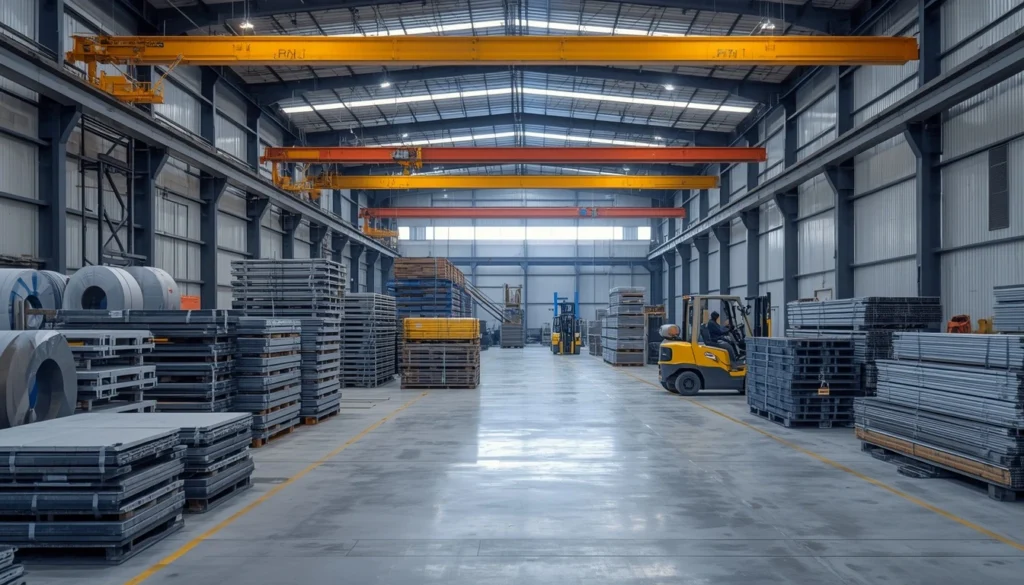
Why it matters The success of any construction or industrial project begins with selecting the right materials. Whether you are building warehouses, factories, commercial buildings, infrastructure projects, or residential developments, the quality of your steel products directly impacts the strength, durability, and long-term performance of your project. In today’s competitive construction market, choosing a reliable steel supplier is about much more than finding the lowest price. It means partnering with a company that consistently delivers quality products, dependable service, and technical expertise. Why Steel Quality Is Critical Steel forms the backbone of modern construction. Poor-quality materials can lead to costly repairs, project delays, and reduced structural performance. A trusted steel supplier provides products that meet international quality standards and ensures consistency across every delivery. Products Every Construction Project Needs At Aarvik Steel FZE LLC, we supply a comprehensive range of steel and building materials designed to meet the requirements of contractors, fabricators, manufacturers, and infrastructure developers. Our product portfolio includes: GI Coils & Sheets PPGI Coils & Profile Sheets Aluminium Coils & Sheets PPAL Coils & Profile Sheets Roofing Sheets Wall Cladding Sheets Sandwich Panels PPGI Fencing Panels Eco-PVC Fencing Panels MS Coils & Sheets MS Structural Steel Aluminium Chequer Plates Sheet Piles Drywall Partition Systems Steel Building Materials These products are widely used in industrial buildings, warehouses, commercial projects, factories, agricultural buildings, logistics facilities, and infrastructure developments across the UAE and international markets. What Makes a Reliable Steel Supplier? When selecting a supplier, consider the following factors: Consistent Product Quality Quality-certified steel ensures better performance, durability, and long service life. Wide Product Availability Working with a supplier that offers multiple product categories simplifies procurement and reduces coordination with multiple vendors. Competitive Pricing Reliable suppliers optimize sourcing and inventory to provide cost-effective solutions without compromising quality. Timely Delivery Construction schedules depend on material availability. On-time deliveries help avoid costly project delays. Technical Support Experienced suppliers assist customers in selecting the right materials based on project requirements, environmental conditions, and application needs. Customer-Centric Service Responsive communication and reliable after-sales support build long-term business relationships. Why Choose Aarvik Steel FZE LLC? Aarvik Steel FZE LLC is committed to becoming a trusted partner for the construction and industrial sectors. We focus on: Premium quality steel products Competitive market pricing Fast and reliable delivery Customer-focused service Technical product guidance Flexible supply solutions Strong supplier partnerships Our goal is to help customers complete projects efficiently while maintaining the highest standards of quality and reliability. Industries We Serve Our products support a wide range of industries, including: Construction Companies EPC Contractors Infrastructure Projects Steel Fabricators Roofing Contractors Cladding Contractors Industrial Manufacturers Warehouse Developers Government Projects Interior Fit-Out Companies Building Stronger Projects Together Every successful construction project starts with dependable materials and a reliable supply partner. At Aarvik Steel FZE LLC, we are dedicated to delivering high-quality steel solutions that help our customers build with confidence. Whether your project requires roofing materials, structural steel, coils, sheets, fencing systems, or sandwich panels, our team is ready to support your requirements with professionalism and efficiency. Contact Aarvik Steel FZE LLC Today If you are looking for a reliable steel supplier in the UAE, Aarvik Steel FZE LLC is ready to assist. Email: info@aarviksteel.com | sales@aarviksteel.com Let’s build stronger, smarter, and more sustainable projects together.

Scroll to Top